

putaputawētā
Carpodetus serratus | marbleleaf, putaputawētā, piripiriwhata
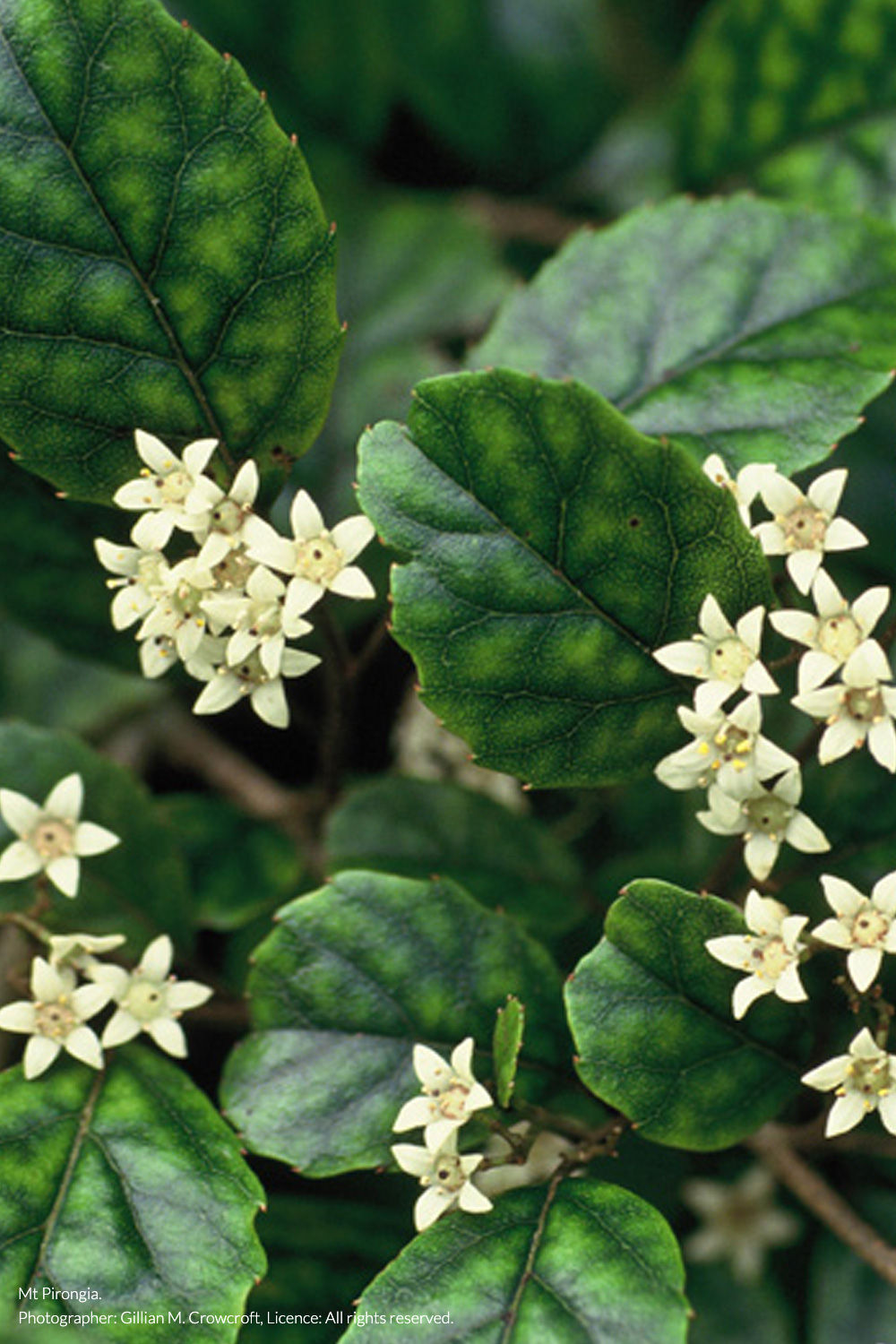
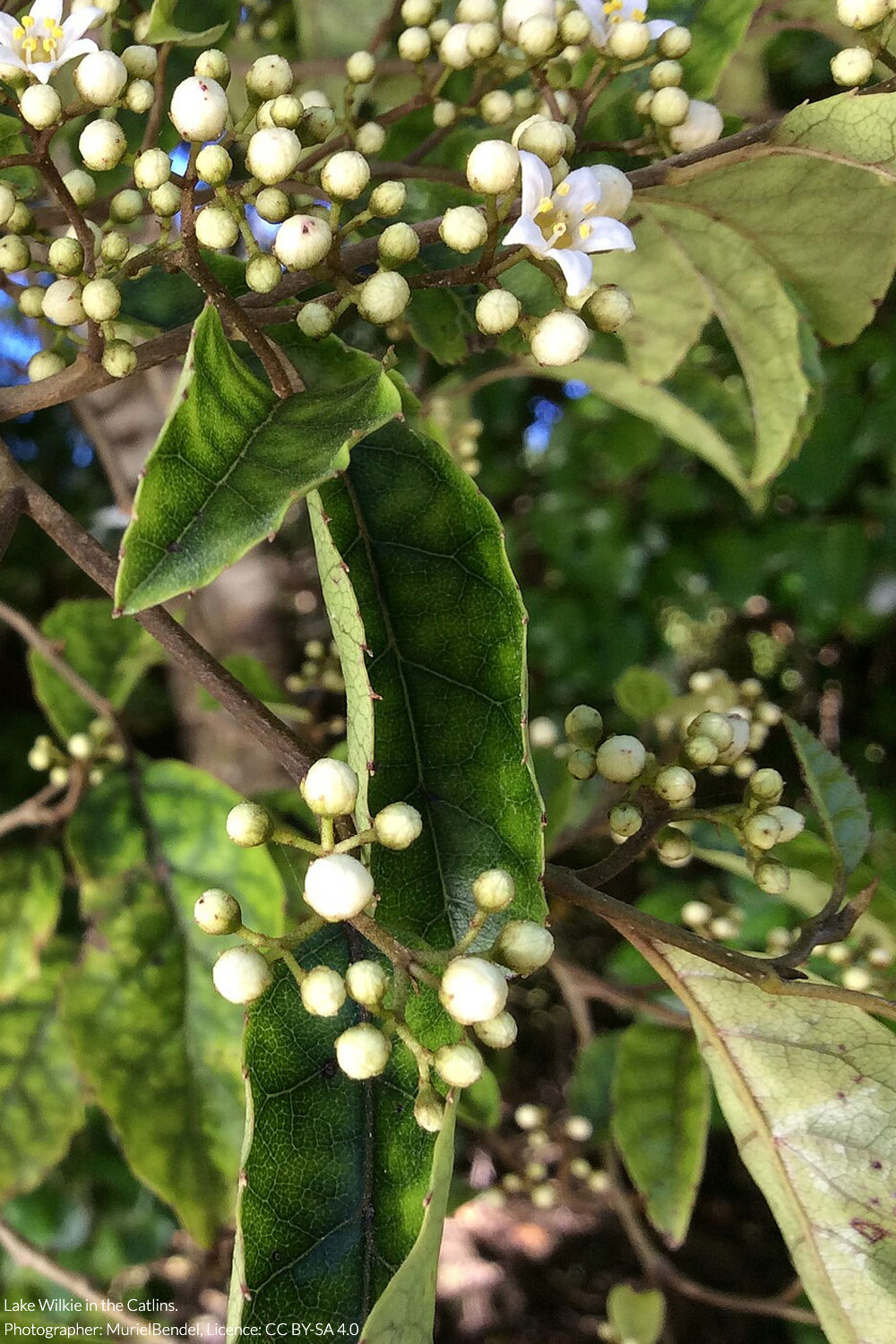
This small, slow-growing tree starts with a tangled juvenile form but matures into an attractive specimen with large, marbled leaves. It bears white flowers followed by purple fruit that ripens to black from March to May. Best suited for moist, semi-shaded sites, it is intolerant of drought, wind, and frost when young. Commonly found in various habitats, from coastal to montane areas, this tree is frequently used in revegetation projects.
typical habitat.
coastal forest
montane forest
streamsides
forest margins
drainage.
wet
moist
sun.
full sun
partial shade
mature specifications.
height | 10m
width | 4m / 30cm (trunk)
pollinators calendar.
flowering | November-March
fruiting | January-February (though dried fruit present at any time)
did you know?
The name putaputawētā highlights the ecological significance of this tree. It provides a home for wētā within the holes created by pūriri moth larvae. These holes also become feeding sites for the small brown bush ant, demonstrating the tree's role in supporting a diverse range of species.