

kutakuta
about.
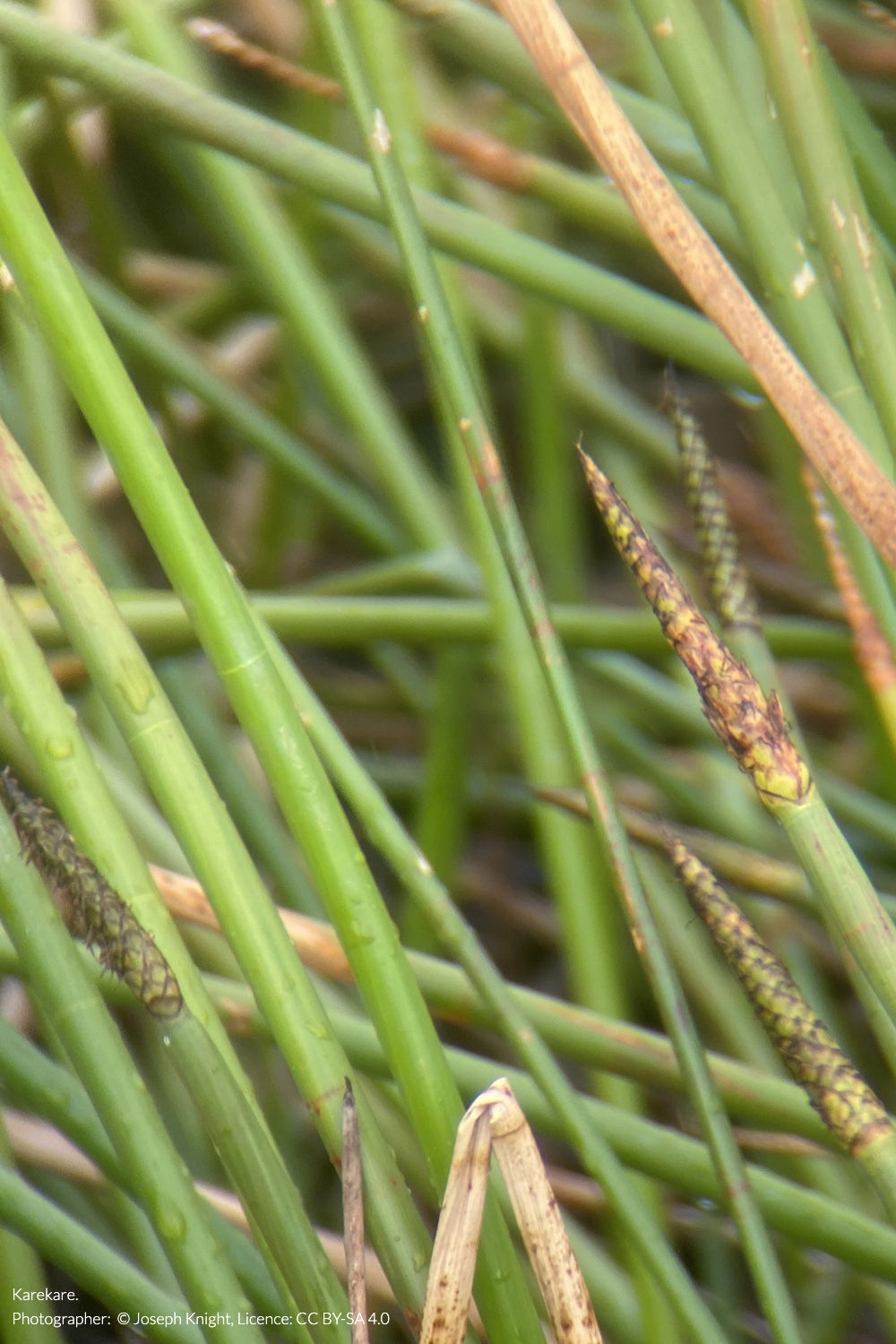
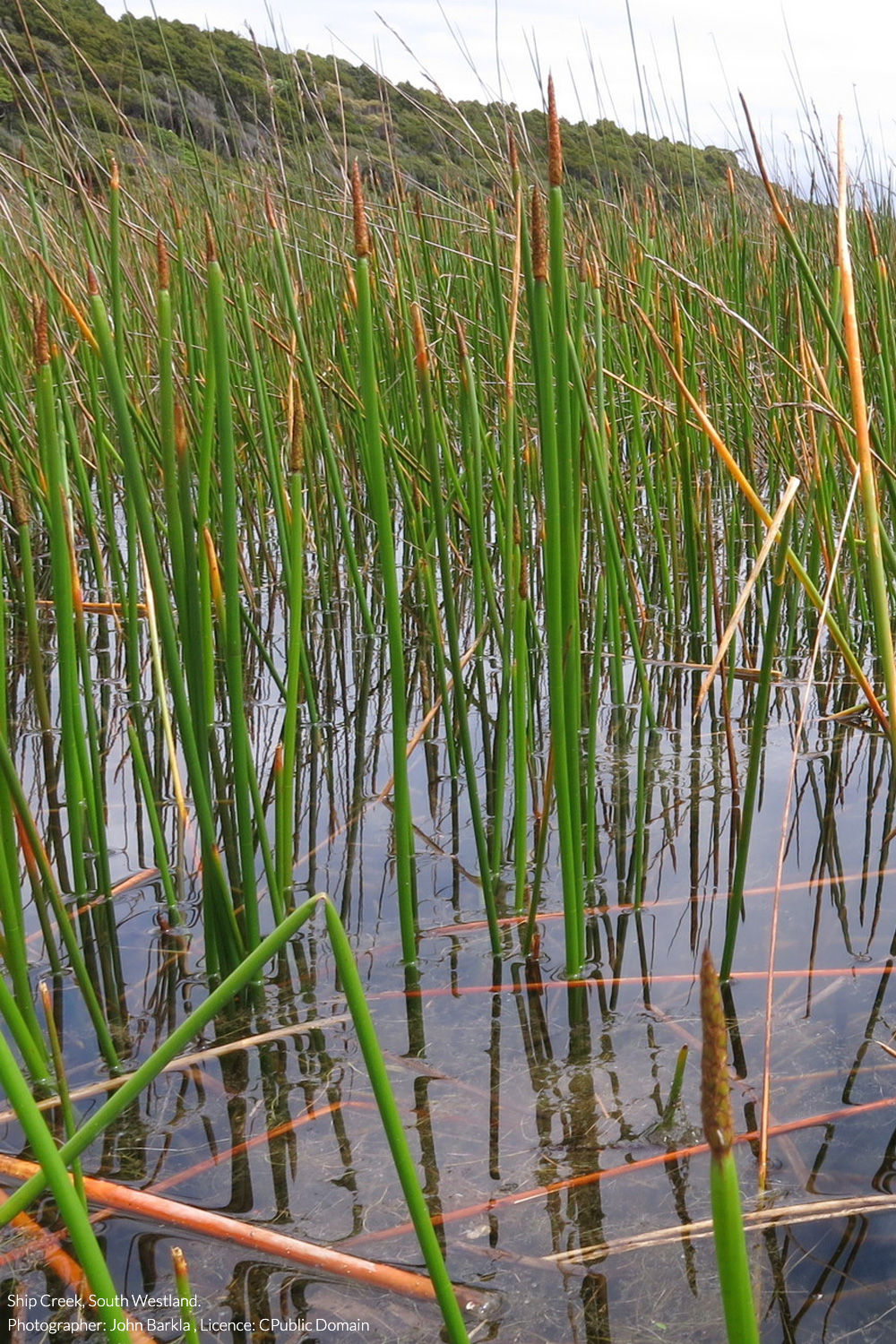
Eleocharis sphacelata | kutakuta, spikes of doom, bamboo spike sedge, tall spike sedge
A tall, grass-like wetland plant that forms dense clumps of bright green to yellow-green, hollow stems rising from creeping underground rhizomes. Often partially submerged, it creates a strong vertical structure in shallow freshwater environments and can dominate the margins it colonises, giving a lush, architectural appearance.Naturally found in swamps, lakes, ponds, creeks, and marshes, it thrives in still or slow-moving freshwater in full sun. Well suited to pond edges, water margins, and constructed wetlands, it plays an important role in stabilising sediments, improving water clarity, and supporting healthy aquatic ecosystems.
typical habitat.
lake margin
drainage.
wet
sun.
full sun
mature specifications.
height | 1.2m
width | 1m
pollinators calendar.
flowering | August–December
fruiting | November–May
did you know?
The stems were an important fibre resource and were traditionally used for plaiting mats, kete, hats, and some garments. Peeled stalks were used to make potae taua—mourning caps or fillets worn by widows—sometimes dyed for ceremonial use. The fibre was also used in items such as maro kuta (aprons) worn by girls, reflecting its everyday and cultural significance.