

kahakaha
Astelia hastata | kahakaha, tank lily
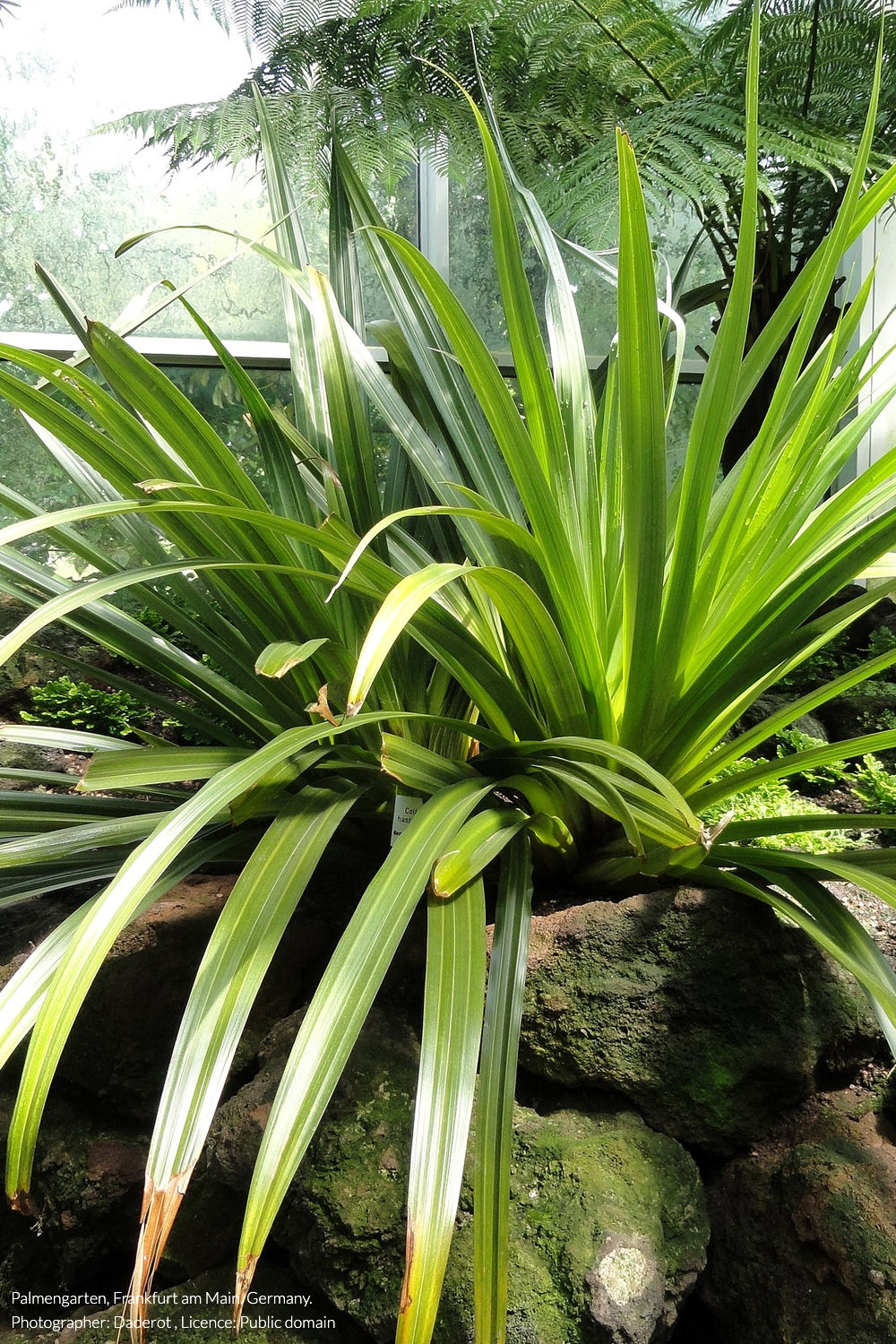
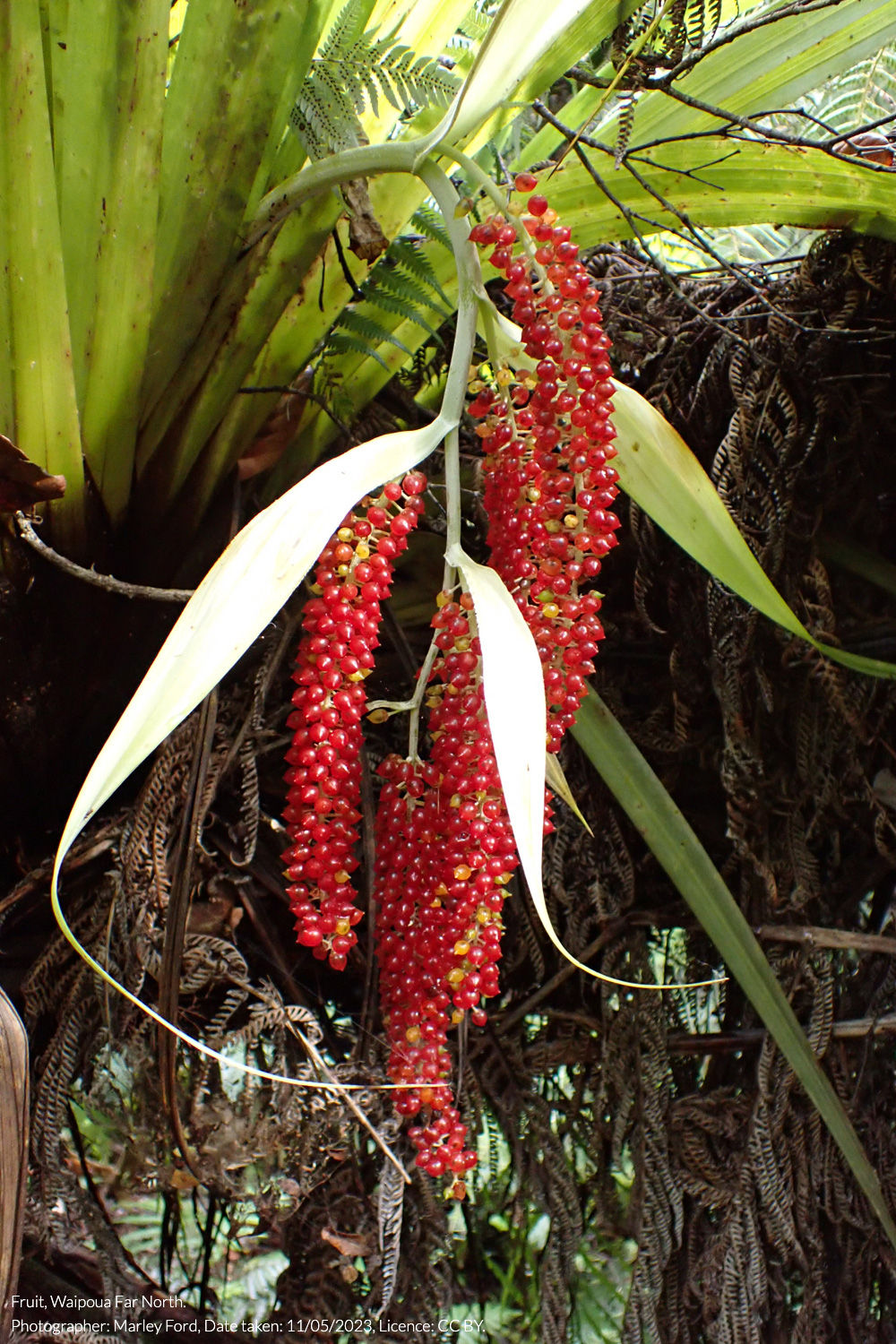
This magnificent epiphyte, New Zealand's largest, thrives both on trees and in dry shade on the ground, logs, rocks, and cliffs. Its stiff, long V-shaped leaves, coloured lime or bronze-green with a black base, channel water into a central reservoir. Male and female plants are needed for fruit, which ripens from yellow to red after creamy flowers appear from January to March. These fruits, with their seeds, are a vital food source for tūī and kererū, aiding seed dispersal, while its nectar feeds native bats. Though not a typical garden plant, kahakaha creates a dramatic visual impact in various settings, from tree forks to hanging baskets.
typical habitat.
coastal forest
lowland forest
drainage.
well drained
sun.
full sun
partial shade
mature specifications.
height | 2m
width | 1.5m
pollinators calendar.
flowering | January - March
fruiting | March - August
did you know?
"Widow Maker" is the name given to this plant by early European bushmen. They called it this because of its unpredictable tendency to fall from host trees, particularly during strong winds. Even after falling, the plant can regrow on the forest floor.