

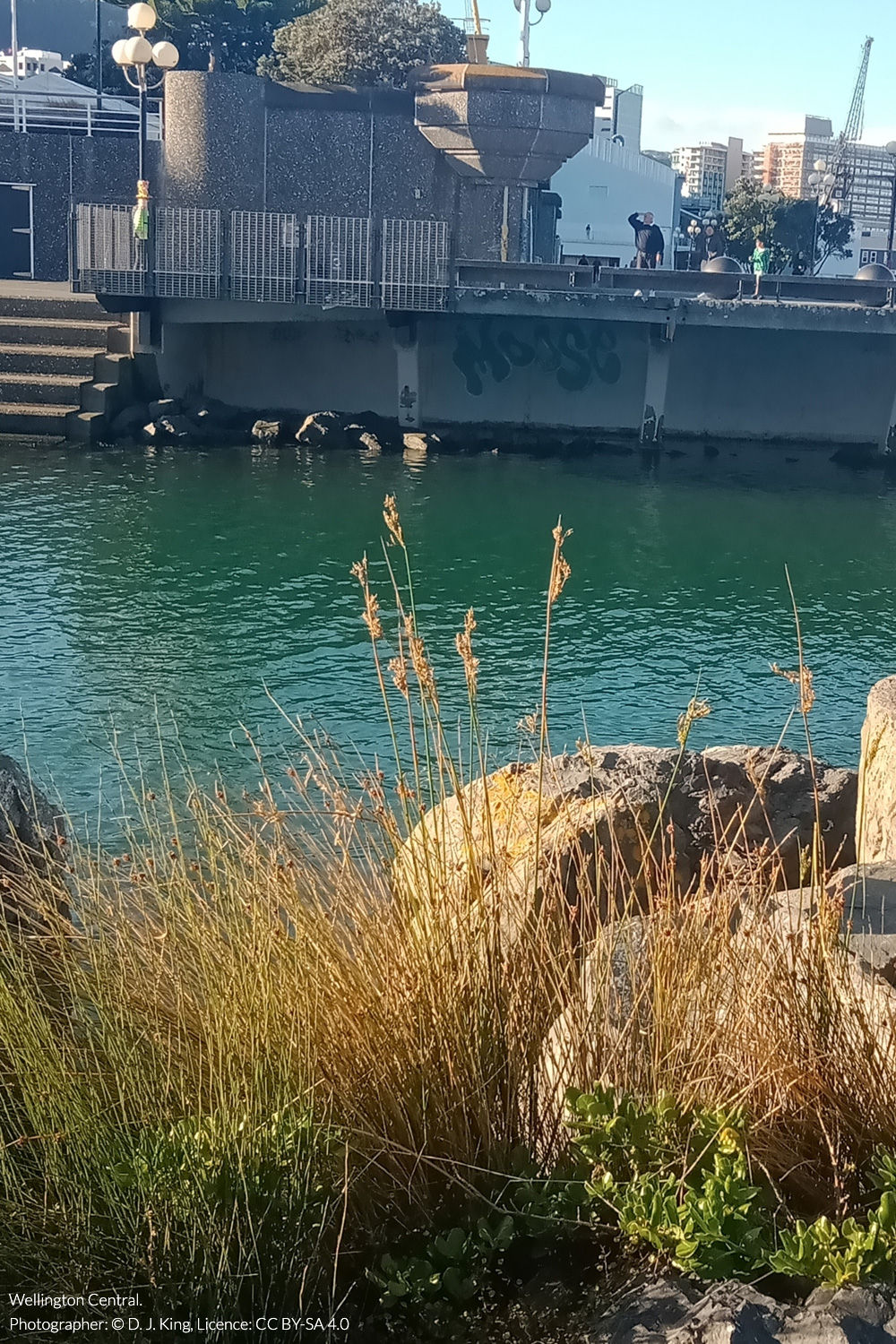

giant rush
about.
Juncus pallidus | giant rush, leafless rush
An upright, robust rush that thrives in damp ground and shallow standing water, yet is also tolerant of heat and short periods of drought. It spreads via creeping rhizomes and forms dense, architectural clumps with pale blue-green foliage, creating a strong vertical presence in the landscape or in large containers. Hardy and vigorous, it is best suited to wetlands, riparian margins, and large-scale plantings, where its spreading habit can be accommodated. In urban settings it performs well as a durable structural plant in borders or mixed plantings, though containment is recommended due to its strength and resilience.
typical habitat.
salt marshes
wetland
lake margin
shrubland
drainage.
wet
moist
free draining
well drained
dry
sun.
full sun
partial shade
mature specifications.
height | 1.5m
width | 1.2m
pollinators calendar.
flowering | October–January
fruiting | November–May
did you know?
Rushes and sedges are grass-like wetland plants, often confused with grasses, but differ in structure: sedges have solid, triangular stems ("sedges have edges"), three-ranked leaves, and prefer wet areas, while rushes have round, solid stems with spongy pith ("rushes are round"), reduced leaves, and also love wet spots, both playing key roles in erosion control and water quality.